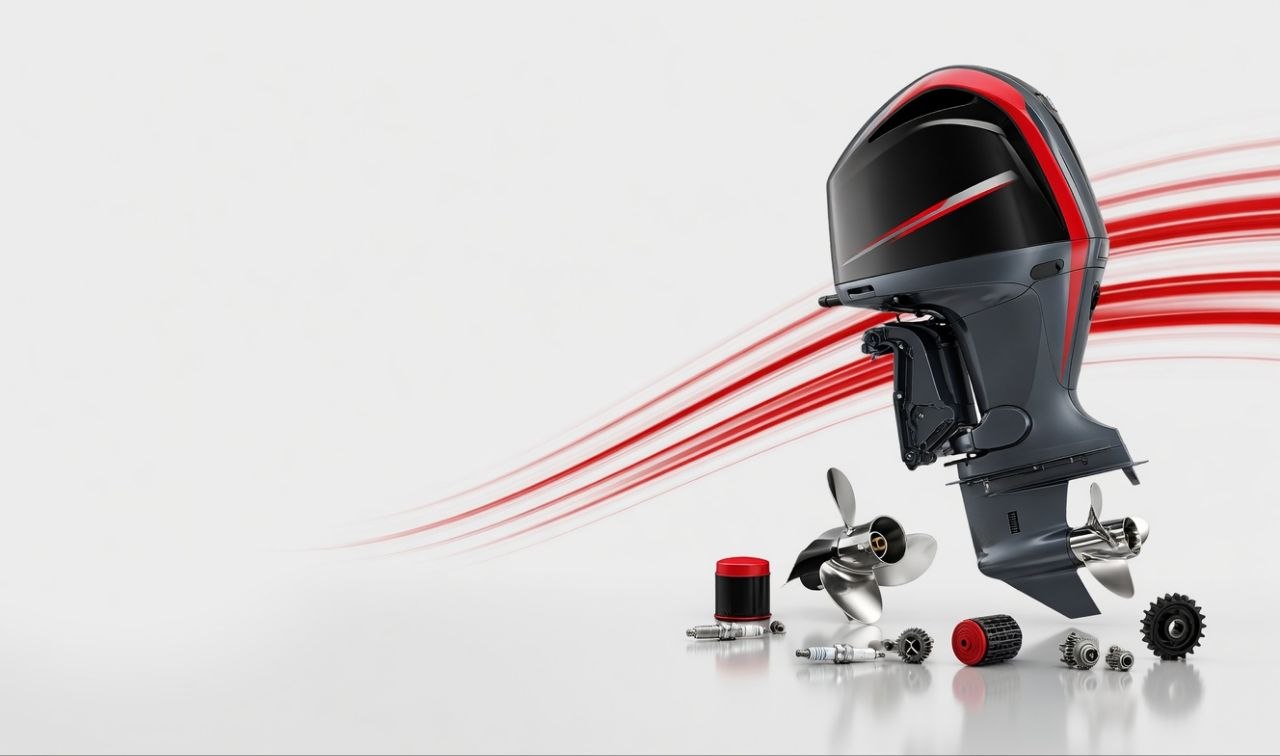
Choosing the Right Gearcase: Why Precision Engineering is the Key to Performance and Reliability
The Foundation of Marine Propulsion
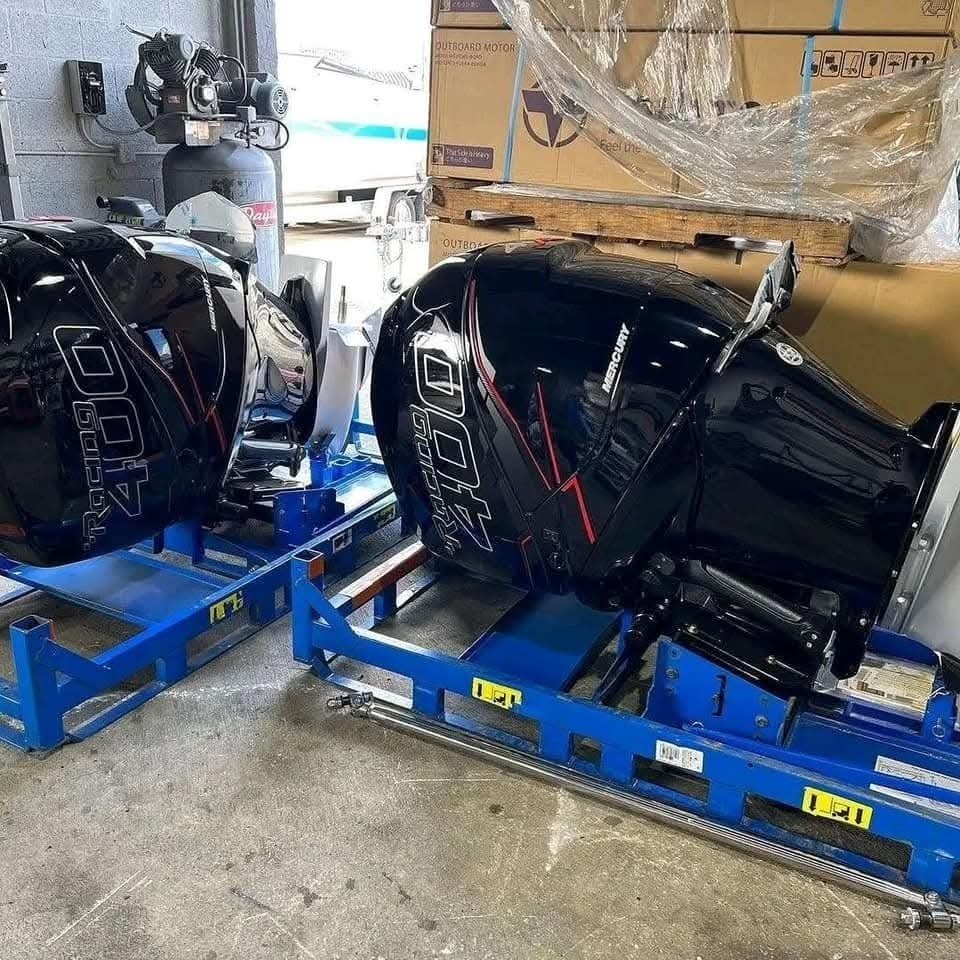
Choosing a lower unit is one of the most critical decisions for any boat owner. Whether you are looking at a Mercury Sportmaster for high-speed stability or a heavy-duty Yamaha gearcase for offshore reliability, the internal gear ratios and housing design determine your vessel’s efficiency, handling, and total safety.
At Marine Engine Hub, we see many boaters overlook the importance of “Prop-to-Gear” alignment. A common mistake is prioritizing top-end speed while sacrificing the durability needed for heavy seas. In this guide, we explore why genuine OEM components outperform aftermarket alternatives in high-torque situations.
The Engineering Gap: Why OEM Precision Matters
When you are 50 miles offshore, the precision of factory-spec shims and bearings isn’t just a luxury—it’s a necessity. Genuine parts are engineered to withstand the extreme heat and friction generated within the gearcase housing.
-
Thermal Dynamics: Aftermarket “will-fit” parts often use inferior alloys that expand at different rates than the housing. This leads to premature seal failure and devastating water intrusion.
-
Gear Surface Hardening: OEM gears undergo a specific heat-treatment process. This ensures that the teeth can handle the “slamming” effect when a propeller re-enters the water after a swell.
-
Hydrodynamic Integrity: High-performance units are cast with exact tolerances to prevent “blowout”—a dangerous condition where air bubbles disrupt water flow to the prop, causing a sudden loss of steering.
Performance vs. Reliability: Finding the Balance
Not all gearcases are created equal. Depending on your hull and your horsepower, you generally fall into one of two categories:
1. High-Performance (Crescent Gearcases)
Designed for speeds exceeding 80 MPH, these units (like the Mercury Racing Sportmaster) feature a low-water pickup and a sharpened nosecone. They are built to run “surfaced,” meaning the top half of the propeller is out of the water. This reduces drag but requires a gearcase that can handle extreme vertical vibration.
2. Heavy-Duty Offshore
These units prioritize cooling and torque over raw speed. They feature larger internal gears and high-volume water pumps to handle the massive weight of modern center consoles. For these boaters, reliability is the only metric that matters. A gear failure in a 4-foot following sea is more than an inconvenience; it’s a safety risk.
Common Signs of Gearcase Fatigue
Before a total failure occurs, your engine usually gives you warnings. Keep an eye out for:
-
Metallic Flakes: Finding “glitter” or metal shavings in your gear lube during an oil change.
-
Clunky Shifting: If the transition from Neutral to Forward feels “soft” or excessively loud.
-
Propeller Vibration: Unexplained shaking that persists even after the prop has been balanced.
Frequently Asked Questions
Q: Can I use high-performance gear lube in a standard gearcase?
A: Yes. In fact, we recommend it. High-performance lubricants have better emulsifiers, meaning they protect the gears better even if a small amount of water enters the unit.
Q: How often should I change my gearcase seals?
A: We recommend a pressure and vacuum test every 100 hours or once a year. If the seals fail the vacuum test, they should be replaced immediately to prevent salt-water contamination.
Q: Is it worth repairing a cracked gearcase housing?
A: Generally, no. The structural integrity of the casting is compromised once it cracks. At Marine Engine Hub, we always recommend a full housing replacement to ensure the safety of your vessel.
The Hub Verdict
Before upgrading your propulsion system, consider your primary environment. If you are tournament fishing or running long-distance offshore, reliability must come first. Our technical team in Sarasota specializes in matching your hull’s weight and horsepower to the exact gearcase specifications required by the factory.
Don’t settle for “close enough.” Ensure your hardware is built for the salt.
Posts Widget
-
1
-
2

-
3

-
4